
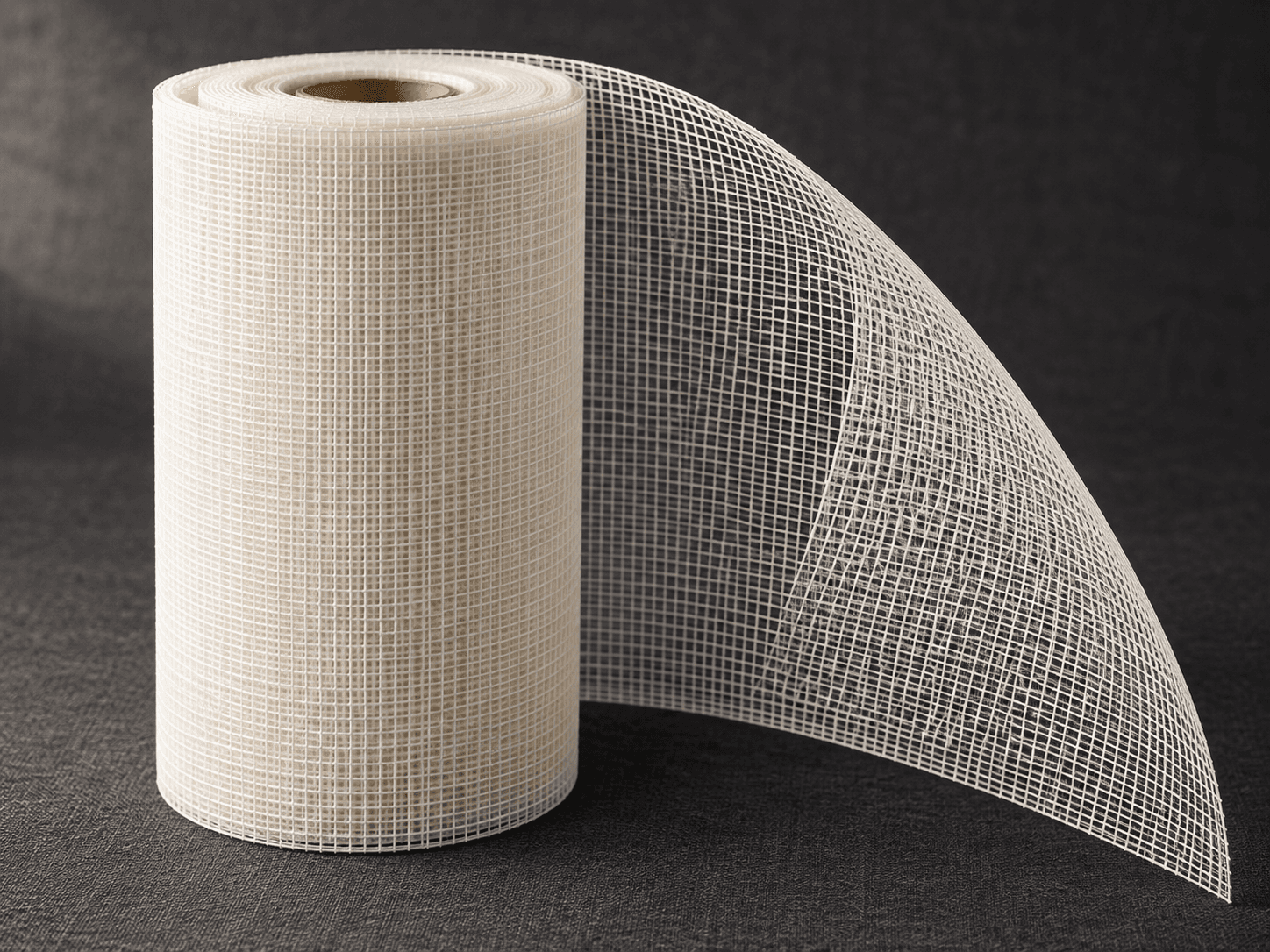
Soft Tulle vs. Hard Tulle: Choosing Bridal Mesh for Veils, Skirts and Crinolines
Introduction
Soft tulle and hard tulle serve different jobs in bridal construction. Soft tulle is generally selected when designers need a delicate visual layer, fluid movement or a less assertive hand. Hard tulle—or firmer bridal netting—is generally selected where the fabric needs to help create separation, lift or a more defined silhouette. The important purchasing point is that “soft” and “hard” describe behavior, not complete technical specifications.
For a veil, an overly firm mesh may read as stiff or feel unsuitable at the edge. For a crinoline, a very soft mesh may collapse under the skirt and fail to provide the required shape. A well-developed dress often uses more than one mesh behavior in different layers. This article helps B2B buyers specify the layer correctly, verify it by sample and communicate the requirements to a supplier before bulk production.
The direct answer: choose by function and layer position
Use soft tulle for visible, draped or body-adjacent bridal layers when the approved sample gives the desired clarity and feel. Use hard tulle / firm net for internal structural layers such as petticoats and crinolines when the garment needs volume or separation. Keep firm materials away from direct skin contact unless the garment construction provides a suitable buffer such as lining, facing or a softer layer.
The terms are relative. There is no universal threshold at which every supplier’s “soft” fabric becomes “hard.” Ask for samples in a stated application: “soft veil overlay,” “medium body skirt layer,” and “firm crinoline support.” Then approve the actual construction, not just its marketing description.
Soft tulle: what it is designed to achieve
Soft tulle is used where the mesh should visually disappear or gently influence the outline rather than actively hold it away from the body. It may be used in veils, overlays, sleeves, cape layers, gathered skirt surfaces and as a base for selected decorative techniques. The best sample balances fine appearance, drape, color and process compatibility.
Where soft tulle works well
| Application | Desired behavior | Sample check |
|---|---|---|
| Veil | falls cleanly, does not look overly bulky in layers, edge is acceptable | hang at actual length; test the edge and color against hair/lining reference if relevant |
| Outer gown overlay | creates a sheer or textured layer without unwanted stand-away | drape over the final lining and test gathered or shaped seam areas |
| Sleeve or neckline layer | supports the design without obvious harshness | make a small sewn test and assess comfort with the intended finish |
| Decorative base | gives an appropriate visual field for appliqué or embroidery | test the actual decoration process and check distortion or visibility |
Soft does not mean weak, and it does not mean suitable for every overlay. A garment with a high-volume skirt may still need structural layers beneath a soft outer tulle. Treat the soft layer as the visual or comfort-facing component unless the sample proves it has enough body for another role.
Hard tulle and firm bridal net: what they are designed to achieve
Firm bridal mesh is selected to create shape. In petticoats and crinolines, it can help keep a skirt away from the legs, support the outline of a full dress and reduce the visual collapse of outer layers. Its performance depends on the construction, the width and placement of each layer, the skirt pattern and the total garment weight.
Where firm mesh is commonly used
- Inner petticoat panels that create controlled fullness below the fashion fabric.
- Crinoline layers that help maintain a ball-gown or A-line profile.
- Structured costume or eventwear components where a crisp net profile is part of the design.
- Selected underskirt or ruffle sections, provided the construction protects the wearer from abrasive edges.
Firm mesh should be assessed for more than lift. Check edge behavior, noise/rustle if relevant, snag risk, recovery after handling and interaction with lining. A stiff material may meet the volume target yet require a different seam finish or placement to avoid discomfort. “More rigid” is not automatically “better support” if it causes the skirt to sit unevenly or interferes with the outer layers.
The three-layer model: visual, volume and comfort layers
Many sourcing problems disappear when teams define which layers provide which function.
- Visual layer: The outer tulle, mesh or decoration ground that creates the visible surface. Its key criteria are clarity, color, drape and finish.
- Volume layer: The internal mesh or net that gives the silhouette its body. Its key criteria are support, resilience, placement and compatibility with the skirt pattern.
- Comfort layer: The lining, facing or soft barrier that manages skin contact and prevents structural materials from being felt directly.
A single fabric can occasionally perform two roles, but it should not be asked to do three without testing. This model is especially useful when a customer says “the skirt feels scratchy” or “the gown has no volume.” The solution is often to correct layer placement, not simply switch every mesh in the garment.
How to choose softness and firmness without subjective confusion
Make the brief measurable enough to sample
Describe the outcome in language a factory and product-development team can assess. For soft tulle, say “must drape around a 30 cm fold without holding a sharp shape” or “must not look cloudy in three layers over ivory lining.” For firm net, say “must support the proposed underskirt panel without collapsing under the outer skirt sample” or “must be placed behind a lining layer.” These are still qualitative requirements, but they are observable.
If you use a reference garment, record which layer is being matched. A photograph of a gown rarely reveals whether the volume comes from a hard net, multiple soft layers, a built-in petticoat, the pattern, or all of these. A cross-section photo, construction drawing or sample cutting is much more useful for supplier communication.
Test with the real layer count
Test one, three and the planned total number of layers where relevant. Soft mesh can gain body when stacked; firm mesh can become too dominant when repeated. Assess the sample while hanging, moving and seated if the final garment warrants it. For an internal crinoline, put the expected outer fabric over the test assembly: the structural layer should support the silhouette without creating distracting outlines.
Include sewing and finishing in the trial
Mesh is sensitive to handling. Use the anticipated stitch, gathering ratio, seam finish and edge treatment. Evaluate how the cut edge behaves and whether the net catches on decoration or adjacent fabrics. During factory testing, photograph the test panel and note the sample code; this creates an auditable record for the buyer and gives the cutting room a reference at production handover.
Sourcing requirements for soft and hard bridal mesh
Jinjue’s existing wedding-mesh range describes customizable mesh counts from 10–80, widths from 30–300 cm, standard polyester and custom color options. Those ranges are starting points, not automatic confirmation of a particular soft or firm construction. Ask the supplier to confirm that the selected mesh, width, color and order quantity can be produced together.
For each selected construction, document:
- Fiber content and exact approved sample code.
- Intended role: visible, volume, or comfort-adjacent.
- Desired hand/firmness description and color reference.
- Usable width, target quantity and any permissible tolerance.
- Cutting and handling notes, including whether it must be lined or layered.
- Packing, roll identification and shipment inspection requirements.
When samples reach your team, inspect them on a neutral surface and against the intended companion fabric. Small swatches should be unrolled enough to observe tension and drape; a tightly folded card can conceal a material’s real behavior. For new programs, a short garment trial is usually more informative than a long email discussion about whether a mesh “feels soft.”
CTA — Get the right mesh for each layer: Send your dress sketch, garment photo or sample reference with the layer position marked. Tell us whether you need visual softness, structural volume, or both. [Send Your Requirements](/inquiry)
Quality control and shipment inspection that match the use case
For soft visible mesh, inspect appearance, color consistency, opening regularity and visible defects under conditions agreed with the buyer. For firm structural mesh, add checks relevant to construction: consistent body, edge response and whether rolls are correctly identified for the intended layer. Neither type should be released based on a generic “QC passed” message alone.
At shipment inspection, compare representative rolls and packing evidence with the approved reference and order specification. Confirm fabric identification, fiber/construction record, color, width, quantities and packaging. If the buyer requires specific physical testing, shade approval or external inspection, include that in the production plan rather than raising it after cartons are sealed.
Product application matters after delivery as well. During installation preparation in the garment factory, label rolls by layer function—outer tulle, volume net or lining-adjacent mesh—so a correct product is not placed in the wrong position. Share the approved cutting and handling notes with the sample room and cutting team.
Troubleshoot the finished-garment result before changing the specification
If a veil looks heavier than expected, first check the layer count, fold depth, edge finish and the color beneath it. A fine mesh can look denser when doubled repeatedly or placed over a darker base. If an overlay stands away from the body, review the grain, gathering method and seam allowance as well as the fabric firmness. These checks help distinguish a material issue from a construction issue.
If a skirt lacks volume, inspect the position and extent of the structural layer. A firm net used only in a narrow ruffle may not support a broad outer skirt; adding layers in the wrong location can create bulk without lift. Build a small comparison sample that changes one variable at a time—layer count, placement or firmness—then assess it under the outer fashion fabric. This gives a supplier and pattern team evidence for the next sample.
If wearers report scratchiness, check whether a firm cut edge, seam or net panel is contacting skin. The practical remedy may be a lining barrier, a changed seam finish, a softer adjacent layer or a different structural construction. Do not simply label the entire order “too hard.” A marked garment sample showing the contact point gives product-development teams a far more actionable basis for correction.
A handover checklist for the sample room
Before sewing the first development garment, give the sample room an approved cutting, the sample code, the layer map and the expected finish for each mesh. Mark which material is visible, which provides volume and which sits next to lining. Include the color/lining combination used during approval. At the review, photograph the garment from the front, side and close up; note any visible edge, collapse, snagging or comfort issue. This disciplined handover translates sourcing approval into a repeatable product result.
Decide whether the next sample should be softer, firmer, or differently constructed
When a first prototype misses the target, do not change several variables at once. If the silhouette is correct but the visible layer feels too assertive, retain the structural layer and test a softer or finer outer mesh. If the outer appearance is correct but the skirt falls flat, retain the approved overlay and adjust the volume layer’s construction, amount or placement. If comfort is the only issue, investigate lining and edge construction before replacing the entire mesh system.
This stepwise method is valuable in factory sample development because it preserves what already works. It also creates a practical trail of decisions: a buyer can explain why a soft tulle was chosen for the outer layer and why a different, firmer mesh was retained inside. That is the sort of applied product knowledge that helps designers, factories and purchasing teams reach the same result on repeat orders.
FAQ
What is the difference between soft tulle and hard tulle?
Soft tulle is chosen primarily for drape, visual lightness and a less assertive hand. Hard tulle or firm net is chosen primarily for structural body and volume. The exact behavior varies by construction, so approve a physical sample for the final application.
Is hard tulle suitable for a wedding veil?
It can be used for a deliberately structured effect, but it is not the default choice for a soft, floating veil. Test the actual length, edge and number of layers before selection.
What tulle should be used for a petticoat or crinoline?
Use a firm construction that provides the required lift in the intended skirt pattern, then protect the wearer from direct contact with suitable lining or layer placement. Make a garment-relevant trial rather than choosing by a product name alone.
Can soft and hard tulle be used in the same wedding dress?
Yes. Many garments use softer mesh for visible layers and firmer mesh for internal volume. Define the role of each layer and test the finished stack together.
How do I request a quote for bridal mesh?
Provide the garment application, layer position, preferred material, desired hand or firmness, color, width, quantity, destination and any sample or inspection requirement. A drawing, fabric cutting or reference photo with notes will improve the recommendation.
Conclusion
Soft tulle and hard tulle are complementary tools. Soft mesh serves the visible, draped side of bridal design; firm net serves the structural side. The reliable sourcing method is to assign each layer a job, test its performance in the real stack and document the approved sample before production. This prevents both common failures: a beautiful but unsupported skirt, and a well-supported but uncomfortable garment.
CTA — Build a layer-by-layer mesh specification: Send your application, reference image, target width, color and forecast quantity. We will help you turn the garment need into a sample and quotation brief. [Get a Quote](/inquiry)